
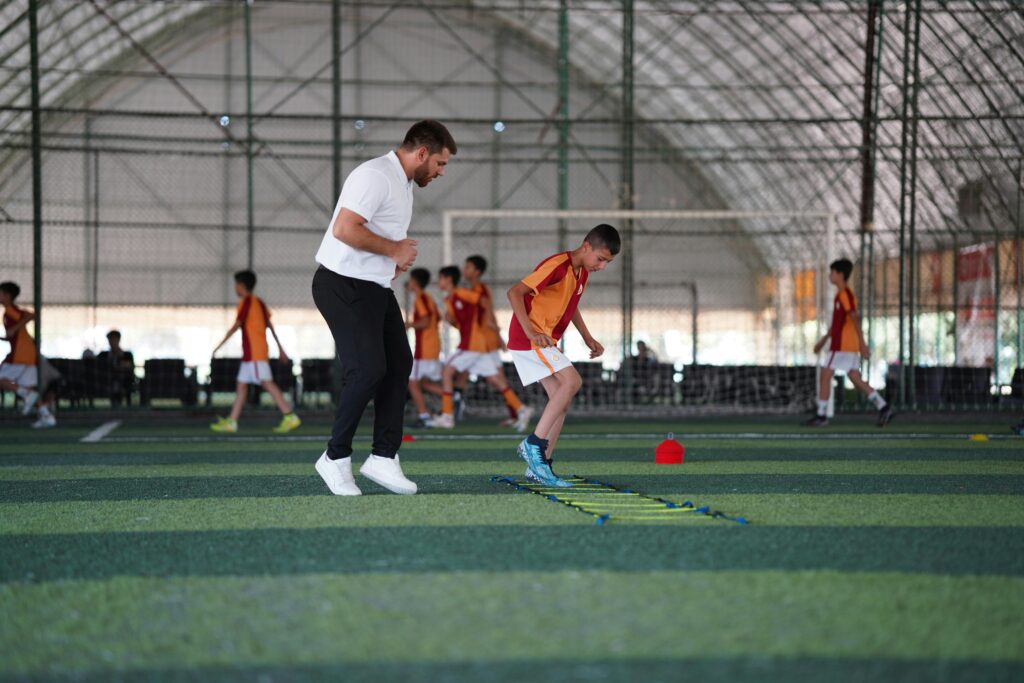
If your child plays sports, chances are you’ve heard someone say, “Pain is just part of the game.”
From a youth sports medicine perspective, that statement is one of the most common—and most damaging—misconceptions parents encounter.
Overuse injuries are not a normal or unavoidable part of youth sports. They are often the result of mismatch between training demands and a growing body’s ability to handle them. Understanding how and why these injuries occur is one of the most powerful ways parents can protect their child’s long-term health and enjoyment of sport.
What Is an Overuse Injury in Youth Sports?
In youth athletes, overuse injuries develop when the same tissues are stressed repeatedly without adequate time or capacity to recover. Unlike adult athletes, children and adolescents are still growing, which changes how their bodies respond to training.
Growth plates—areas of developing cartilage near the ends of bones—are particularly vulnerable to repetitive loading. During growth spurts, bones lengthen rapidly while muscles, tendons, and connective tissue lag behind. This creates increased tension at joints and attachment points, making youth athletes more susceptible to pain and injury even when training loads seem reasonable.
From a sports medicine standpoint, overuse injuries should be viewed as a capacity issue, not a toughness issue. The body simply hasn’t been given the structure or preparation it needs to tolerate repeated sport demands safely.
Why Overuse Injuries Are So Common in Kids and Teens
Youth sports have changed significantly over the past decade. Many athletes now specialize in a single sport at younger ages, train year-round, and compete on multiple teams simultaneously. While these environments are often well intentioned, they place repetitive stress on the same tissues over and over again.
From a long-term athlete development perspective, this lack of movement variety limits the development of foundational skills such as balance, coordination, deceleration, and trunk control. These skills are essential for distributing forces safely across the body.
When young athletes repeat sport-specific movements without a broad physical foundation, they may perform well in the short term but become increasingly vulnerable to overuse injuries as training volume and intensity increase.
Early Warning Signs Parents Should Pay Attention To
Overuse injuries in youth sports rarely appear suddenly. They typically develop gradually, starting as mild discomfort and progressing if the underlying issue is not addressed.
Parents should be attentive to patterns such as:
- Pain that appears earlier and earlier during practices or games
- Soreness that does not resolve within a day or two
- Changes in how a child runs, jumps, or moves when fatigued
- A noticeable decline in coordination or confidence
- A decreased interest in the sport
Changes in movement quality often precede significant pain. Subtle compensations—favoring one side, avoiding certain motions, or appearing “stiff”—are signals that the body is struggling to manage training load.
Pain should never be dismissed as “normal” for kids. Discomfort is often the body’s way of asking for better structure—not more effort.
Why “More Training” Isn’t the Same as “Better Training”
A common misconception in youth sports is that increasing volume automatically leads to improvement.
One of the most important principles in youth sports injury prevention is that progress should be based on readiness, not age or competition level.
Youth athletes benefit most when training follows a logical progression:
- Movement control before speed
- Stability before power
- Quality before quantity
When training volume or intensity increases without ensuring that an athlete has the movement competency to support it, the body compensates. Over time, those compensations increase stress on joints, tendons, and growth plates—leading to overuse injuries.
Better training does not mean doing more. It means doing what the body is prepared to handle at that stage of development. In reality, young athletes don’t just need more training—they need appropriate training.
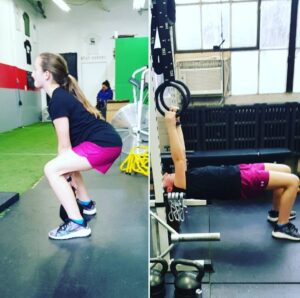
The Role of Strength Training in Preventing Overuse Injuries
Properly designed strength training is one of the most effective and underutilized tools for youth injury prevention.
From both sports medicine and long term athletic development perspectives, strength training helps youth athletes by:
- Improving joint stability and alignment
- Enhancing neuromuscular control
- Allowing muscles to absorb force more effectively, reducing stress on joints and growth plates
In addition, resistance training during childhood and adolescence plays a critical role in bone mineral density development. This period represents a key window for building lifelong skeletal health. Appropriately loaded strength training stimulates bone adaptation, which can reduce injury risk both now and later in life.
Importantly, youth strength training is not about lifting heavy weights. It is about teaching athletes how to control their bodies, apply force safely, and build resilience as they grow.
Why Warm-Ups Matter More Than Most Parents Realize
A warm-up should do more than raise heart rate.
In youth sports, warm-ups are often rushed, inconsistent, or treated as optional. From an injury-prevention standpoint, this is a missed opportunity.
A properly structured youth warm-up does far more than raise heart rate. It:
- Prepares joints and connective tissue for sport-specific stress
- Reinforces safe movement patterns daily
- Acts as an informal movement screen, revealing stiffness, asymmetry, or coordination issues
When warm-ups emphasize balance, controlled movement, and gradual loading, they help reduce chaotic movement under fatigue—one of the biggest contributors to overuse injuries in young athletes.
Consistency matters. A simple, repeatable warm-up performed before every practice or game can significantly improve how a young athlete’s body handles training demands over time.
Supporting Your Athlete Without Burning Them Out
Parents play a unique role in youth sports. While coaches often focus on performance within a season, parents are best positioned to monitor long-term workload, growth, and recovery.
Growth spurts, academic stress, and emotional demands all affect how well a child recovers from training. Injury risk increases when physical demands remain high while recovery capacity declines.
Supporting a youth athlete means recognizing when structure, rest, or movement quality should take priority over added volume or intensity.
Preventing overuse injuries isn’t about restricting sport—it’s about supporting long-term development.
Healthy youth training should include:
- Variety in movement and activities
- Adequate rest between intense sessions
- Strength and movement education alongside sport skills
The goal isn’t to train harder—it’s to train smarter so your child can stay active, confident, and injury-free as they grow.
How to Use This Information as a Parent
Injury prevention in youth sports is not about making immediate, dramatic changes. The goal is to better understand how training, growth, and recovery interact so parents can make informed decisions over time.
The principles outlined in this article are designed to help parents recognize risk factors early and apply simple, age-appropriate strategies that support healthy athletic development.
What Parents Can Do Right Now To Help Prevent Overuse Injuries
After reading this, parents don’t need to overhaul everything at once. Small, intentional steps can make a meaningful difference:
- Prioritize a consistent youth-appropriate warm-up that includes balance, controlled movement, and gradual activation.
- Pay attention to recovery patterns, not just performance. Persistent soreness or altered movement is a signal to slow down.
- Respect growth phases. During rapid growth, maintaining movement quality is often more important than increasing training load.
- View strength training as protection, not pressure. Well-designed youth strength training improves movement control, bone health, and injury resilience.
For many families, starting with a structured warm-up is the simplest and safest place to begin.
👉 [Access the Free Youth Warm-Up Here]
For parents who want a more complete, long-term solution, a progressive strength and movement foundation can help young athletes build resilience safely as they grow.
👉 [Learn More About the Realigned Athletics Foundations Program]
The program focuses on:
- Teaching athletes how to move well first
- Gradually building strength and control
- Supporting healthy growth and sport participation
It’s designed for parents who want a safe, guided approach rather than guessing what their child “should” be doing.
Important Note
This article is for educational purposes only and is not intended to replace medical advice. If your child is experiencing persistent pain or injury symptoms, consult a qualified healthcare professional before continuing sport participation.
Final Thoughts for Parents
Overuse injuries are not a sign that your child isn’t tough enough—or that you’ve done something wrong. They are often the result of well-intentioned training applied without enough structure for a growing body.
When youth athletes are supported with education, appropriate strength training, consistent warm-ups, and respect for recovery, they are far more likely to stay healthy and enjoy sports for years to come.
If your goal is to protect your child while helping them develop confidently as an athlete, learning how to prevent overuse injuries is one of the most important steps you can take.
.
